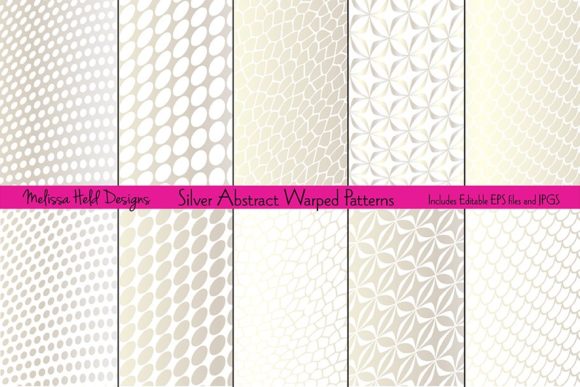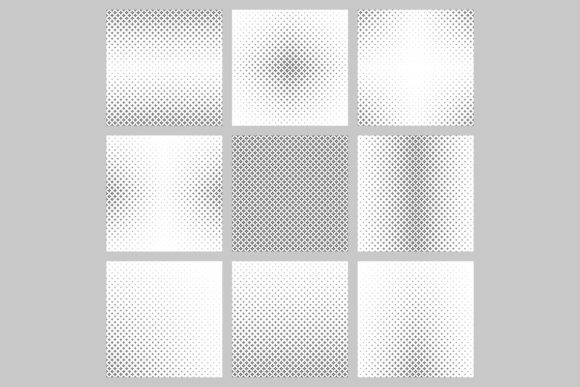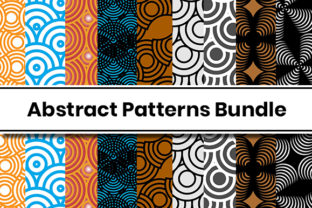
Abstract Patterns Design
Abstract patterns offer a unique way to infuse creativity into everyday projects. These designs are not bound by literal representation, allowing for endless interpretation and application. Whether you're crafting invitations, embellishing planners, or wrapping gifts, abstract patterns can elevate your work with visual interest and personality.
What Makes Abstract Patterns Unique
Abstract patterns are defined by their departure from realistic imagery. Instead of depicting objects or scenes, they focus on shapes, lines, and colors to convey emotion or concept. This makes them versatile and adaptable to various creative needs.
Unlike traditional patterns, abstract designs often lack a clear narrative. This openness allows for personal expression and interpretation. The beauty of abstract patterns lies in their ability to spark imagination while maintaining a sense of structure and balance.
Practical Uses for Abstract Patterns
The applications for abstract patterns are vast. Here are some common uses:
- Scrapbooking: Add depth and texture to pages with intricate pattern overlays.
- Planner Embellishing: Enhance bullet points or sections with subtle background designs.
- Party Invitations: Create eye-catching visuals that reflect the event's theme without being too literal.
- Cards: Use abstract elements to convey feelings or messages without words.
- Gift Wrapping: Transform plain paper into a decorative masterpiece with pattern accents.
- Paper Crafts: Incorporate abstract patterns into collages, scrap art, or mixed media projects.
These patterns are especially useful when you want to add visual interest without overwhelming the design. They can serve as a backdrop or focal point depending on how you apply them.
Designing with Abstract Patterns
Creating effective abstract patterns involves understanding both form and function. Start by experimenting with different shapes and color combinations. Consider how each element contributes to the overall composition.
Balance is key. Too much complexity can distract from the message or purpose of the design. Conversely, too little detail may fail to engage the viewer. Striking this balance ensures your patterns remain visually appealing and functional.
When designing, think about the intended use. A pattern meant for a planner might require a more subdued palette, while one for an invitation could benefit from bolder colors and dynamic forms.
Adapting Abstract Patterns for Different Needs
Abstract patterns can be tailored to suit a wide range of audiences and purposes. For instance:
- Marketers: Use abstract patterns in branding materials to create a distinctive visual identity.
- Bloggers: Incorporate them into digital backgrounds or post layouts for a cohesive aesthetic.
- Entrepreneurs: Apply them to packaging or promotional items to stand out in a competitive market.
- Educators: Utilize abstract patterns in teaching materials to make concepts more engaging and memorable.
- Hobbyists: Explore new creative avenues by combining abstract patterns with other craft techniques.
By adapting these patterns to specific goals, you can ensure they resonate with your target audience and serve their intended purpose effectively.
Realistic Examples and Inspiration
To get started, consider these practical examples:
- Invitation Design: Overlay an abstract pattern onto a minimalist layout to add visual intrigue.
- Planner Pages: Use a soft, repeating pattern as a background to make notes feel more organized and stylish.
- Gift Tags: Print an abstract pattern on sticker paper and attach it to presents for a personalized touch.
- Card Making: Combine an abstract pattern with hand-drawn elements to create a unique card design.
- Wall Art: Scale up an abstract pattern to create a large-scale decorative piece.
These examples demonstrate how abstract patterns can be applied across different formats and mediums. The key is to maintain consistency in style and purpose while allowing room for personal flair.
Choosing the Right Tools and Resources
High-quality abstract patterns are essential for professional results. When selecting resources, look for files that are high resolution (300 dpi) and suitable for print. A ZIP file containing nine such JPEGs provides ample material for experimentation and project development.
Ensure that the patterns you choose align with your creative vision. Experiment with layering, scaling, and placement to discover what works best for your projects. Keeping a collection of patterns also allows for easy access and reuse in future designs.
Keeping Your Work Organized and Effective
As you explore abstract patterns, maintaining organization is crucial. Create folders or categories based on style, color, or application to streamline your workflow. This helps you quickly find the right pattern for any project.
Consistency in design choices enhances the overall impact of your work. Whether you're creating multiple cards or planning a series of invitations, staying true to your design language ensures a cohesive and professional outcome.
Finally, always consider your audience. What do they need? How will they interact with your design? By keeping your goals in mind, you can create abstract patterns that are both beautiful and meaningful.