Glitter Geometric Seamless Patterns: A Guide to Choosing and Using Them Effectively
Glitter geometric seamless patterns have become a popular choice for designers, creators, and hobbyists looking to add visual interest and sophistication to their projects. These patterns combine the allure of shimmering glitter with the structured elegance of geometric shapes, offering a versatile design element that can be used in everything from digital art to print media. However, while these patterns are visually appealing, they come with specific requirements and considerations that can significantly impact their usability and final outcome.
Understanding Glitter Geometric Seamless Patterns
Glitter geometric seamless patterns are digital designs that repeat seamlessly across a surface without visible seams. They are typically created using vector or raster graphics software and are designed to tile perfectly when scaled. The inclusion of glitter adds a subtle sparkle that can elevate the aesthetic of any project, making them ideal for branding, packaging, textiles, and more.
These patterns are especially useful for those who want to create eye-catching visuals without the need for complex design work. They offer a quick and effective way to incorporate high-quality, professional-looking elements into various creative projects.
Common Mistakes When Working With Glitter Geometric Seamless Patterns
Despite their benefits, many users make mistakes when choosing, applying, or using these patterns. Understanding these common pitfalls can help you avoid unnecessary frustration and ensure your final results meet your expectations.
- Choosing low-resolution files: Using patterns with insufficient resolution can lead to pixelation, especially when printed at larger sizes. Always ensure the file is at least 300 DPI for print and in RGB color mode.
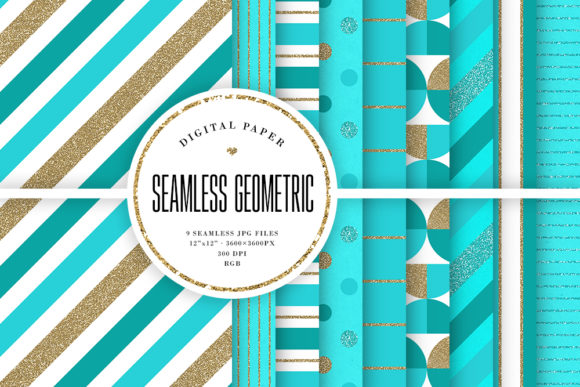
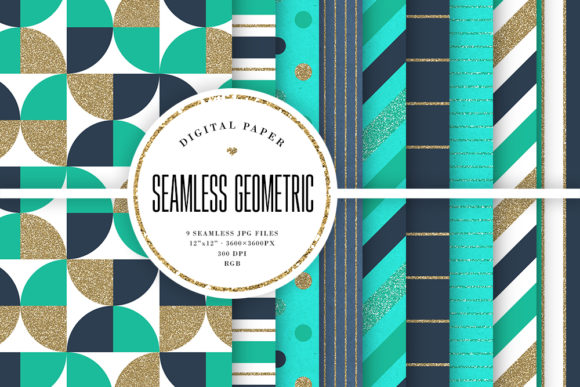
- Ignoring print dimensions: Not considering how the pattern will scale when printed can result in distortion or an unbalanced look. For example, a 3600×3600 pixel file may not maintain its quality when printed at 12 inches by 12 inches unless properly scaled.
- Overlooking file format compatibility: While JPEGs are widely used, some design software may not support them as effectively as PNGs. Always check the format compatibility before importing or exporting your files.
- Not testing the pattern on different surfaces: What looks great on a screen may not translate well to fabric, paper, or other materials. Testing your design on the intended medium helps prevent costly mistakes.
- Using the wrong color mode: Printing in CMYK instead of RGB can cause unexpected color shifts. Ensure your pattern is in RGB if it’s intended for print, or convert it appropriately before sending to a printer.
How These Mistakes Can Affect Your Work
Mistakes like these can have a direct impact on the quality and professionalism of your final product. Low-resolution images may appear blurry or unclear, especially when viewed up close. Ignoring print dimensions can lead to distorted visuals that don’t align with your original vision. Inconsistent color modes can result in unsatisfactory prints that don’t match the digital preview.
Additionally, not testing your pattern on the intended surface can lead to wasted time and resources. If you’re designing for fabric, for instance, the same pattern might not behave the same way as it does on paper or canvas. It’s essential to consider the end use of your design from the beginning to avoid last-minute adjustments or rework.
Practical Tips for Avoiding Common Pitfalls
Here are some actionable steps to help you work with glitter geometric seamless patterns more effectively:
- Verify file specifications: Before downloading or purchasing a pattern, confirm that it meets the required pixel dimensions (e.g., 3600×3600), resolution (300 DPI), and color mode (RGB). This ensures compatibility with both digital and print applications.
- Test on multiple surfaces: Print a small sample of your design on the intended material to see how it looks in real life. This step can save you from potential disappointments later on.
- Use the right software: Choose design tools that support high-resolution image editing and seamless tiling. Programs like Adobe Photoshop, Illustrator, or GIMP can help you manipulate and refine your patterns effectively.
- Consider the purpose of your design: Whether you’re creating a logo, packaging, or background for a website, your choice of pattern should align with the overall goal of your project. Select a pattern that complements the style and message of your work.
- Seek feedback: If you're unsure about how a pattern will look in context, ask for input from others. Fresh perspectives can highlight issues you might have missed.
What to Check Before Making a Decision
Before committing to a set of glitter geometric seamless patterns, there are several key factors to evaluate:
- Resolution and quality: Ensure the pattern is high-resolution and free from artifacts or compression issues.
- Seamless tiling: Test the pattern to confirm it tiles without visible seams or distortions.
- Color accuracy: Preview the pattern in different lighting conditions to ensure it maintains its intended appearance.
- License and usage rights: Make sure you have the proper permissions to use the pattern for your intended purpose, whether personal or commercial.
- Support and updates: If you're purchasing from a platform or seller, check if they provide customer support or updates for their patterns.
By taking the time to research and evaluate your options, you can make informed decisions that lead to better results and greater satisfaction with your final output.